
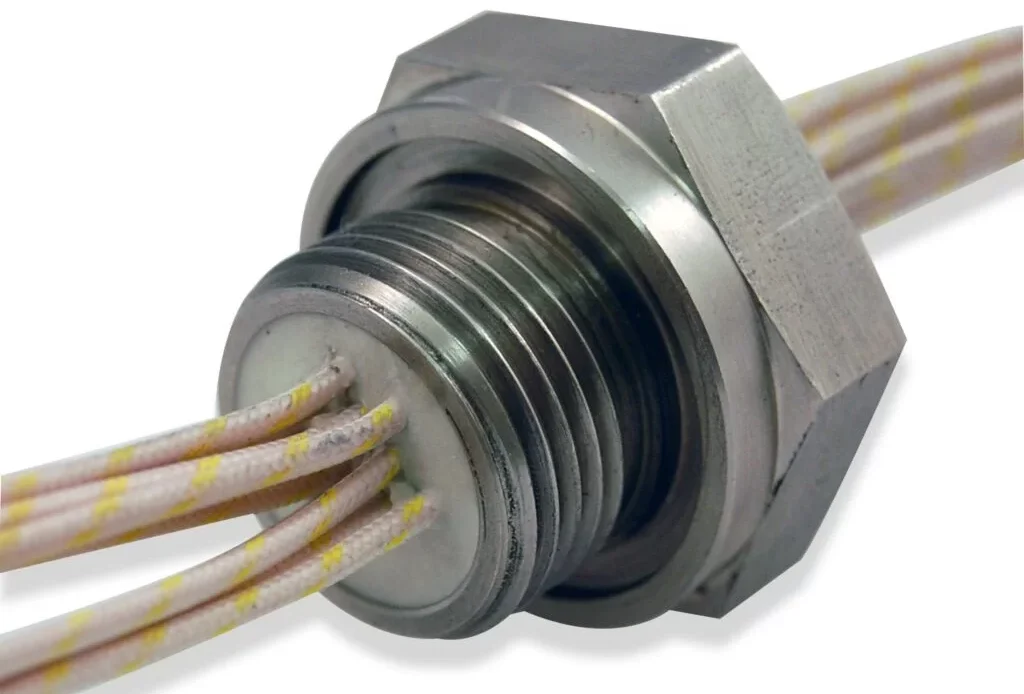
Modern manufacturing industries are evolving rapidly with increasing demand for precision, automation, miniaturization, and contamination-free processing. From semiconductor fabrication and aerospace assembly to medical device production and advanced industrial automation, manufacturers rely on highly controlled environments to achieve consistent quality and performance. One of the most critical enabling components in these systems is the hermetic feedthrough, which allows electrical, optical, or mechanical connections to pass through sealed barriers without compromising environmental integrity. Advanced hermetic feedthrough systems are now essential for maintaining reliability and efficiency in modern manufacturing processes.
The Role of Hermetic Feedthrough in Modern Manufacturing
In manufacturing environments, machines often operate in vacuum chambers, high-pressure systems, or chemically sensitive environments. These conditions require strict isolation between internal and external environments while still allowing power, data, and control signals to pass through.
A hermetic feedthrough serves this exact purpose by providing a sealed interface that prevents gas leakage, contamination, or pressure loss. At the same time, it ensures uninterrupted electrical or signal transmission.
Without reliable feedthrough systems, modern manufacturing processes such as semiconductor deposition, precision welding, and microfabrication would not be possible.
How Hermetic Feedthrough Systems Work
A hermetic feedthrough is engineered using a combination of conductive and insulating materials that are permanently bonded to create an airtight seal. Typically, metal conductors are embedded in ceramic or glass insulating materials and sealed within a metal housing using high-temperature brazing or welding techniques.
This structure ensures two essential functions:
- Environmental isolation (vacuum or pressure sealing)
- Electrical or signal transmission without interference
The result is a highly reliable interface that maintains system integrity even under extreme operating conditions.
In modern manufacturing systems, the performance of a hermetic feedthrough directly impacts production quality, system uptime, and operational safety.
PAVE Technology and Advanced Manufacturing Solutions
In the field of advanced industrial components, PAVE Technology is recognized for its innovative hermetic feedthrough systems designed for modern manufacturing environments. Their expertise focuses on developing high-performance sealing and electrical isolation solutions that support complex industrial processes.
PAVE Technology designs feedthrough systems that are widely used in semiconductor production lines, automated industrial machinery, aerospace manufacturing equipment, and medical device fabrication systems.
By combining precision engineering, advanced materials, and strict quality control, PAVE Technology ensures that each hermetic feedthrough delivers consistent performance, durability, and long-term reliability in demanding manufacturing environments.
Materials Used in Hermetic Feedthrough Systems
The effectiveness of a hermetic feedthrough depends heavily on the materials used in its construction. Modern manufacturing systems require components that can withstand thermal stress, chemical exposure, vibration, and electrical load.
Ceramic materials such as alumina are widely used due to their excellent electrical insulation and thermal resistance. Metals like stainless steel and titanium provide structural strength and corrosion resistance.
Glass-to-metal sealing technology is also used in applications requiring ultra-high vacuum or extreme environmental isolation. These materials must be carefully selected and matched to avoid thermal expansion mismatch and long-term failure.
PAVE Technology applies advanced material engineering and testing processes to ensure that every hermetic feedthrough meets strict industrial performance standards.
Applications in Semiconductor Manufacturing
One of the most important applications of hermetic feedthrough systems is in semiconductor manufacturing. Producing microchips requires extremely clean and controlled environments where even microscopic contamination can cause defects.
Processes such as chemical vapor deposition (CVD), plasma etching, and photolithography take place inside vacuum chambers. A hermetic feedthrough allows electrical power, control signals, and data communication to pass into these chambers without breaking the vacuum seal.
This ensures high precision, repeatability, and product quality in semiconductor production.
PAVE Technology provides specialized feedthrough solutions designed to support semiconductor manufacturing systems with maximum stability and contamination protection.
Aerospace and Advanced Manufacturing Systems
Aerospace manufacturing involves the production of highly sensitive components used in aircraft, satellites, and spacecraft. These systems must operate under strict quality standards where reliability is critical.
A hermetic feedthrough is used in aerospace manufacturing equipment, testing chambers, and simulation systems where vacuum, pressure, and thermal conditions must be precisely controlled.
It ensures that electrical and control signals can pass through sealed environments without compromising system integrity.
PAVE Technology supports aerospace manufacturing by delivering robust hermetic feedthrough solutions that meet the demanding requirements of precision engineering and space-grade applications.
Medical Device Manufacturing
Medical device manufacturing requires extremely high levels of cleanliness, safety, and precision. Devices such as imaging systems, surgical instruments, and implantable electronics depend on reliable electrical isolation and environmental sealing.
A hermetic feedthrough ensures that sensitive electronic components remain protected from contamination during both manufacturing and operation.
In implantable devices, it also ensures safe and stable electrical communication between internal and external systems while preventing bodily fluid exposure.
PAVE Technology provides high-reliability feedthrough solutions that support medical manufacturing processes where safety and performance are critical.
Industrial Automation and Robotics
Modern manufacturing increasingly relies on automation and robotics to improve efficiency and reduce human error. These systems often operate in harsh industrial environments with vibration, dust, heat, and electrical noise.
A hermetic feedthrough enables reliable transmission of control signals and power in automated systems while maintaining environmental isolation.
It ensures stable operation of robotic arms, sensors, control units, and high-precision machinery used in manufacturing lines.
PAVE Technology develops durable feedthrough systems designed to withstand the mechanical and electrical demands of industrial automation.
Engineering Challenges in Hermetic Feedthrough Design
Designing a hermetic feedthrough for modern manufacturing systems involves overcoming several engineering challenges.
One of the primary challenges is ensuring a perfect seal while supporting multiple electrical connections within limited space. As manufacturing systems become more compact and complex, feedthrough density requirements increase.
Thermal expansion differences between materials can also lead to mechanical stress over time, which may cause seal degradation if not properly managed.
Electrical interference and signal integrity are additional concerns, especially in high-speed or high-frequency applications.
Manufacturers like PAVE Technology address these challenges through advanced design simulation, precision machining, and rigorous testing methods.
Testing and Quality Assurance in Manufacturing Systems
In modern manufacturing, reliability is essential for maintaining productivity and quality standards. A failure in a hermetic feedthrough can lead to system downtime, product defects, or safety risks.
To ensure reliability, feedthrough components undergo extensive testing, including leak detection, thermal cycling, vibration testing, and electrical insulation verification.
These tests simulate real-world manufacturing conditions to ensure long-term stability and performance consistency.
PAVE Technology implements strict quality assurance protocols to ensure that every hermetic feedthrough meets global industrial standards before deployment.
Future Trends in Hermetic Feedthrough Systems
The future of hermetic feedthrough technology is closely tied to advancements in manufacturing automation, miniaturization, and smart system integration.
One major trend is the development of compact, high-density feedthrough systems capable of supporting multiple signals in limited space. This is especially important for semiconductor and robotics industries.
Another trend is the integration of smart monitoring systems that can detect seal integrity and electrical performance in real time, enabling predictive maintenance and reducing downtime.
Advanced materials such as high-performance ceramics and composite alloys are also improving durability and thermal stability.
PAVE Technology is expected to play a leading role in these innovations by developing next-generation hermetic feedthrough systems for modern manufacturing environments.
Conclusion
The hermetic feedthrough is a fundamental component in modern manufacturing systems, enabling reliable electrical transmission while maintaining complete environmental isolation. Its applications span semiconductor production, aerospace manufacturing, medical device fabrication, and industrial automation.
With advanced engineering, high-quality materials, and precision manufacturing techniques, PAVE Technology delivers innovative hermetic feedthrough solutions that support the evolving needs of modern industries.
