
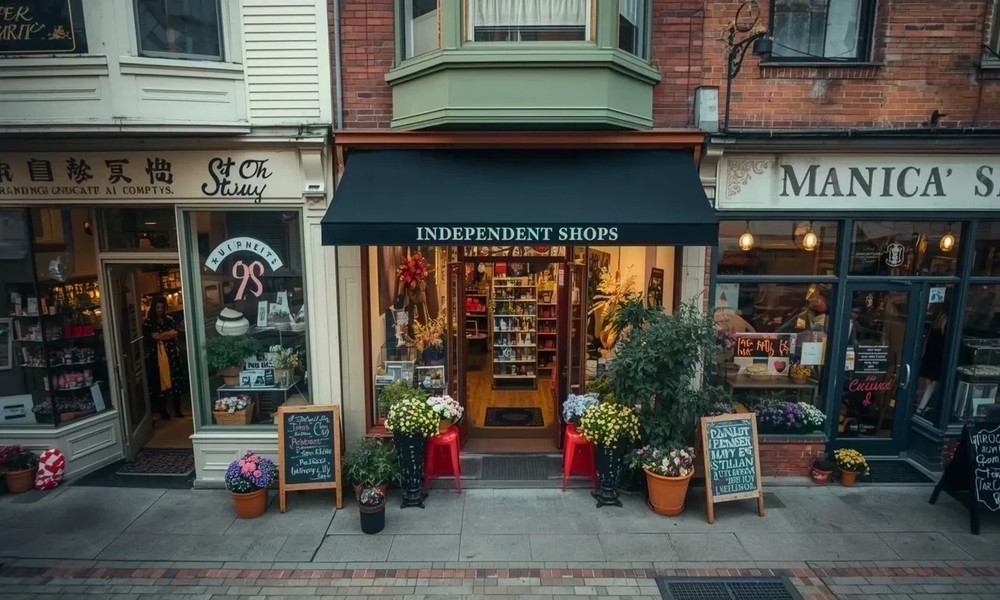
Every small shop owner dreams of seeing a steady stream of customers flowing through their doors. For one unassuming neighborhood shop, that dream felt painfully out of reach, until a surprising twist on an old tradition turned everything around.
The Early Days: Struggles of a Neighborhood Shop
Initial Challenges with Foot Traffic
Tucked between a pharmacy and a laundromat, the shop’s windows were often overlooked. Passersby hurried along, barely glancing at the store’s modest signage. Slow days were more common than not, and regulars were scarce.
Traditional Marketing Attempts and Their Limitations
Flyers, local newspaper ads, and even a brief radio spot barely moved the needle. The shop tried discount sales and “grand reopening” banners, but most people walked past, unmoved. It became clear that blending into the background was not going to cut it.
Discovering the Power of Personalization
Why Personalized House Signs Captured Attention
Change arrived almost by accident. The owner, inspired by the neighborhood’s mix of quirky cottages and modern homes, started experimenting with custom house signs. Instead of generic numbers or standard plaques, these signs featured family names, local motifs, and vibrant colors. Suddenly, people stopped to admire the creative displays in the window.
Understanding Local Customer Preferences
Curiosity turned into conversation. Neighbors shared what they wanted on their own signs, favorite flowers, heritage symbols, even pet names. The shopkeeper listened, sketching out ideas and learning that people loved seeing a bit of their story reflected right at their doorstep.
Designing the Perfect House Signs
Collaborating with Local Artists and Craftsmen
To bring these visions to life, the shop partnered with local artists and craftspeople. Each design was tailored to the customer, often becoming a mini-celebration of the family inside the house. This collaborative effort turned the shop into a hub of local creativity.
Choosing Materials and Messaging That Resonate
Hardwood, slate, hand-painted ceramics, customers could see, touch, and choose their favorite materials. Playful messaging, classic fonts, and neighborhood landmarks became common themes. The shop even offered guidance on what worked best for visibility and durability, building trust with every conversation.
Launching the Personalized Sign Campaign
Strategic Placement and Timing
Instead of a blast of impersonal ads, the shop placed sample signs in high-traffic spots around the neighborhood. Signs went up on well-known homes and community boards, sparking curiosity and word-of-mouth buzz. Launching in spring, when residents were updating gardens and exteriors, proved ideal.
Engaging the Community Through Word of Mouth
Early buyers proudly shared photos of their signs on social media and with their neighbors. The shop featured customer stories in its window display, celebrating each new design as another reminder that this was more than a transaction, it was about belonging.
Measuring the Impact on Walk-In Traffic
Tracking Customer Responses and Sales Growth
Numbers told the story. Walk-ins tripled within two months of starting the personalized house sign campaign. Sales data showed that most new customers mentioned seeing a sign at someone else’s home or on a community board.
| Month | Average Daily Walk-Ins | House Sign Sales |
|—————–|———————–|——————|
| Before Campaign | 10 | 2 |
| First Month | 25 | 12 |
| Second Month | 32 | 18 |
Gathering Feedback for Continuous Improvement
Customer feedback shaped the process. Some wanted bolder colors for greater curb appeal, while others asked for weather-resistant finishes. The shop adapted quickly, reinforcing its reputation for attentive, community-driven service.
Expanding the Concept Beyond One Shop
Inspiring Neighboring Businesses to Adopt Personalization
The ripple effect started quietly. The bakery down the street began offering custom cake toppers, while the local hardware store introduced engraved garden tools. Personalized, locally inspired products began popping up on shelves, making the neighborhood feel more connected and unique.
Building a Stronger Neighborhood Identity
Before long, the area was known for its creative, neighborly touches. Visitors commented on the distinctive house signs and the visible pride of residents. The shop’s journey had helped shape a stronger sense of place, one beautiful, hand-painted sign at a time.
Future Trends: Personalized Marketing in Local Retail
Integrating Technology with Traditional Personalization
Looking ahead, shops are exploring ways to blend convenience with a personal touch. Online design tools allow customers to create mock-ups before ever stepping into the store, while QR codes on sample products let passersby browse options instantly.
Predicting the Evolution of Customer Engagement Strategies
Personalization is poised to go deeper, with retailers leveraging data from loyalty programs and community events to offer even more tailored experiences. As customers grow to expect products that reflect their personality and heritage, resources like Orthografica custom house signs are becoming essential for shops wanting to stand out.
One neighborhood’s story proves that when a business pays attention to the people around it and adds a personal touch, remarkable change is always within reach.
