
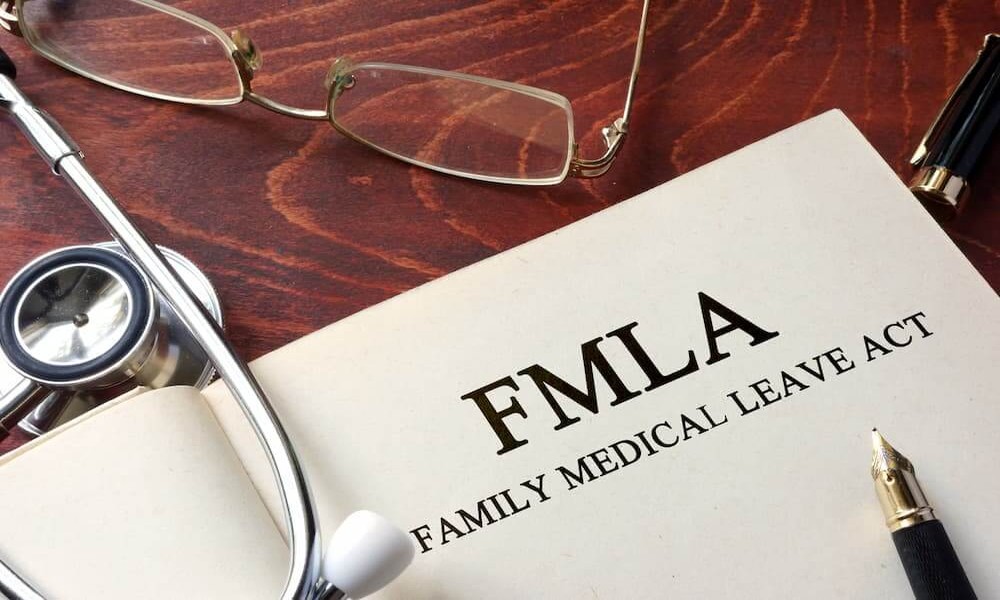
You took the leave because you had to: a surgery, a newborn, a parent in hospice, your own illness. You followed every procedure HR asked for, got the paperwork certified, and made the handoff before you left. When you came back, something felt off. Accounts had been reassigned. Your office had a new occupant. You were on a PIP that didn’t exist the day you walked out. Or you didn’t come back at all, because the termination call came while you were still on leave.
The Family and Medical Leave Act protects employees from exactly this kind of treatment, and the violations show up in Maryland workplaces more often than most people realize. Wrongful Termination Lawyers Maryland workers consult after a leave-related firing see the same patterns repeat: tidy documentation, unfortunate timing, and an official explanation that has nothing to do with the leave on paper.
What FMLA Actually Protects
The FMLA gives eligible employees up to twelve weeks of unpaid, job-protected leave per twelve-month period for qualifying reasons: a serious health condition of your own, caring for a spouse, child, or parent with a serious health condition, the birth or adoption of a child, qualifying military exigencies, or up to twenty-six weeks to care for a covered servicemember.
Eligibility usually requires twelve months with the company, at least 1,250 hours worked in the prior year, and a worksite with fifty or more employees within seventy-five miles. Employers sometimes argue the employee was never covered in the first place, so eligibility matters.
The two protections that count most after a leave are the right to be restored to the same or an equivalent position, and the right to be free from retaliation for using leave.
Two Ways Wrongful Termination Lawyers Maryland Workers Hire Win FMLA Cases
FMLA cases generally split into two theories, and a single firing often supports both.
Interference
An interference claim challenges actions that prevented an employee from using FMLA leave: refusing to grant leave, discouraging the employee from taking it, miscounting leave time, or failing to restore the employee to the same or an equivalent position. Interference doesn’t require proving bad intent. If the employer deprived the employee of an FMLA right, the claim can move forward.
Retaliation
A retaliation claim challenges adverse actions taken because the employee used FMLA leave. A firing is the obvious version, but demotions, schedule changes, and removal of supervisory duties also count. Courts evaluate these through burden-shifting similar to McDonnell Douglas: the employee shows a connection between leave and adverse action, the employer offers a non-retaliatory reason, and the employee then has the chance to show that reason is pretextual.## Common Maryland Scenarios That Cross the Line
The patterns repeat:
- A planned surgery is announced, the leave is taken, and the employee learns on return that the company “restructured” the position out of existence
- A new mother on maternity leave gets a phone call announcing termination based on performance issues never documented before the leave
- An employee using intermittent FMLA for chronic migraines is written up for the very absences FMLA was supposed to cover
- A caregiver returns to find accounts reassigned and commission opportunities effectively eliminated
- An employee is asked to “check in” repeatedly during leave, then disciplined for not being responsive enough
Each can support an FMLA claim on the right facts.
What to Document Before, During, and After Leave
The strongest FMLA cases rest on records spanning the entire arc of the leave:
- The leave request and medical certification
- HR’s written approval, with dates and calculation method
- Communications from supervisors or HR during the leave, especially anything implying pressure to return
- Performance reviews from the year before the leave
- The return-to-work meeting summary
- Any criticism, write-up, or PIP that emerged after the return
Forward what you can to a personal account. Once a termination happens, employer-system access usually disappears within hours.
Damages and Filing Deadlines
FMLA damages look different from many other employment claims. A successful case can recover lost wages, lost benefits, and an equal amount as liquidated damages unless the employer proves good faith. Attorney’s fees and costs are recoverable, and reinstatement or front pay is available. Emotional distress damages generally aren’t available under the FMLA itself, which is why many cases are filed alongside parallel claims under the Maryland Fair Employment Practices Act or the ADA.
The statute of limitations is two years from the violation, or three years if the violation is willful. FMLA cases can be filed directly in federal or state court without going through the EEOC first.
Where Maryland Law Adds Protection
The federal FMLA isn’t the only source of leave-related rights for Maryland workers. The Maryland Healthy Working Families Act provides paid earned sick and safe leave, and the state’s Family and Medical Leave Insurance (FAMLI) program creates a paid leave system on top of unpaid FMLA. A termination tied to use of either can support a separate state-law claim.
When to Bring in a Lawyer
If your firing happened during, immediately after, or shortly after an FMLA leave, the timing alone justifies a closer look. A consultation can clarify whether you were FMLA-eligible, whether the employer’s reason holds up, and whether parallel state or federal claims fit. Most Maryland employment attorneys offer free consultations and take these cases on contingency.## The Bottom Line
The FMLA exists so workers can deal with serious medical events and family emergencies without losing their jobs. When an employer treats a protected leave as a reason to push someone out, the law gives that worker real options. The Wrongful Termination Lawyers Maryland employees rely on at The Mundaca Law Firm can review your timeline, identify the right legal theories, and tell you whether your firing crosses the line. Contact the firm to discuss your situation.—
