
A mountain of discarded mattresses is a problem few people think about until they see one clogging the curb. Yet in Canada, the fate of millions of old mattresses is rapidly changing. What used to be a landfill headache is now at the heart of an environmental transformation led by innovative recycling efforts.
Why Is Mattress Waste a Growing Concern in Canada?
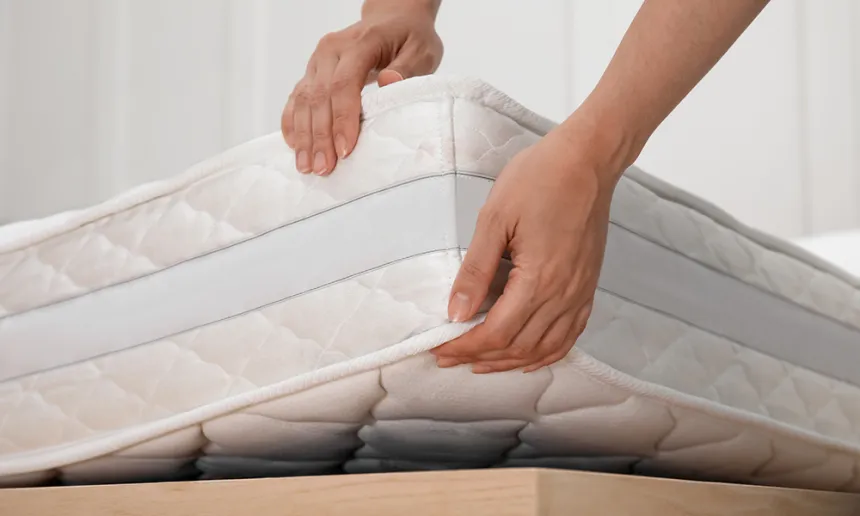
Each year, thousands of Canadians replace their mattresses, turning these bulky items into one of the most challenging forms of household waste. Their sheer size clogs up landfills, and their complex materials make them difficult to break down. Mattresses are constructed from a mix of metal, foam, textiles, and wood, all tightly bound together and often contaminated by years of use. This complexity makes traditional recycling nearly impossible without specialized processes.
The real sting? A mattress can take up to 100 years to decompose in a landfill. During that time, chemicals can leach into the ground, and usable resources are lost forever. With landfills nearing capacity in major cities, the pressure is on to find a smarter solution.
Canada’s waste management system faces major hurdles when it comes to bulky or composite items like mattresses. Infrastructure isn’t designed for large-scale mattress recycling, and there’s still no national policy mandating ecological disposal of these products. That leaves municipalities scrambling for answers as landfill crises escalate.
How Does Mattress Recycling Work in Canada?
Instead of tossing old mattresses into a landfill, specialized facilities now process them in a way that reclaims their core components. Advanced shredders and cutting machines separate steel coils, polyurethane foam, cotton, and wood. Each material is then sent down its own recycling stream: steel becomes construction material, foam gets repurposed into carpet padding, and textiles can be used in insulation.
But who makes this possible? Companies like Recyc-Matelas have pioneered large-scale mattress recycling, creating a bridge between municipalities, manufacturers, and consumers. Their facilities operate in high-capacity urban centers, with the technology to dismantle and sort hundreds of mattresses each day. It is a process that not only diverts waste but salvages significant raw materials.
What Role Does Recyc-Matelas Play in Transforming Waste Management?
Recyc-Matelas, founded in 2007, stands out as Canada’s leader in mattress recycling. The company’s technology allows for the efficient breakdown of complex mattress components, handling massive quantities that would otherwise overwhelm landfill sites. Their commitment goes beyond the environment , Recyc-Matelas has built a sustainable operation that serves major regions in Quebec and Ontario, as well as branches in France and Belgium.
Their innovation lies in processing scale and social responsibility. By creating jobs for individuals with intellectual disabilities, they address both environmental and social challenges. The company’s unique system ensures that none of the mattresses they process end up in landfills. This is not just a promise but a proven track record, with over 400,000 mattresses recycled annually in Quebec and Ontario alone.
What Environmental Impact Has Mattress Recycling Had So Far?
The results are striking. Every year, hundreds of thousands of mattresses are diverted from Canadian landfills thanks to recycling facilities. In Quebec and Ontario, more than 400,000 mattresses find new life rather than contributing to mounting waste piles. That means zero waste from these sources , a rare feat in the recycling world.
This effort dramatically reduces landfill pressure and cuts down on the need for raw materials. By reclaiming steel, foam, and textiles, mattress recycling helps alleviate the broader recycling crisis that has gripped North America in recent years. Not only does this reduce environmental harm, but it proves that large-scale change is possible even in challenging waste streams.
How Does Mattress Recycling Contribute to Social Good in Canada?
Beyond the landfill, mattress recycling provides a pathway to employment and inclusion. Recyc-Matelas has made social reintegration a core part of its mission. By offering stable, full-time jobs to people with intellectual disabilities, the company demonstrates that environmental action and social good can go hand in hand.
For many, this work provides a renewed sense of purpose and a higher quality of life. In a sector where automation often replaces human labor, these employment opportunities stand out as especially meaningful. Social inclusion in waste management builds stronger communities , and adds a deeply human dimension to recycling.
What Are the Barriers to Mattress Recycling Adoption Across Canada?
Despite its successes, mattress recycling in Canada faces stubborn barriers. There is still no national policy for mattress disposal, leaving provinces and cities to develop their own piecemeal approaches. By contrast, France recycles about one million mattresses annually, backed by stronger regulatory frameworks. The United States, too, lags in creating comprehensive recycling systems for bulky items.
Economics play a role as well: funding the technology and infrastructure needed for large-scale recycling is no small feat. Municipalities often lack the resources or incentives to develop such programs without outside help.
How Can Municipalities and Consumers Participate in Mattress Recycling?
Municipal governments can support recycling programs by establishing partnerships with innovators like Recyc-Matelas, offering drop-off points, and integrating recycling fees into product lifecycles. Consumers, for their part, can check local guidelines and participate in designated mattress collection events.
For those looking for more information on proper disposal, resources such as recyclage matelas Canada provide guidance and access to regional services.
What Does the Future Hold for Mattress Recycling in Canada?
Innovation continues to drive this industry forward. New technologies are emerging to automate sorting and improve material recovery rates. Policy changes may soon create standardized rules for mattress recycling nationwide, making it easier for both businesses and individuals to participate.
The long-term benefits are clear: reduced landfill use, resource conservation, job creation, and the blueprint for tackling other complex waste streams. Mattress recycling in Canada is more than an environmental fix , it is a glimpse of a smarter, more inclusive approach to the future of waste management.