
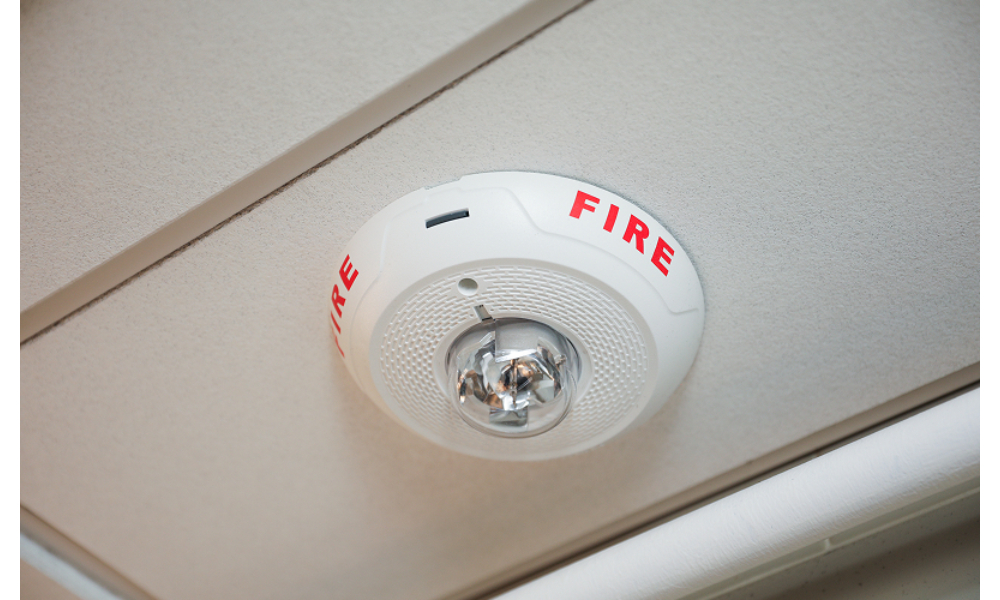
If you’ve ever been in an engine room during peak operations, you’ll know how loud it gets. You can barely hear your own thoughts, much less a siren. That’s where visual alarms save precious seconds. A bright, attention-grabbing strobe cuts through the chaos even when your ears can’t make sense of anything. It’s the kind of redundancy that makes sense on vessels where machinery hums round the clock and human senses get overwhelmed.
A marine fire alarm system works best when its warnings reach people, even if one channel fails. Think of it as having a backup pair of eyes that never blink. Some crew members might be wearing ear protection. Others might be working behind closed, insulated doors. Either way, a flash of light still gets the point across when sound doesn’t.
But Sometimes You Really Do Need That Loud Alert
There are also moments when a visual cue isn’t the most helpful. Maybe you’re in a corridor with poor visibility, or you’re carrying equipment and not looking up. In such cases, an audible alert instantly snaps your attention. It cuts through conversations and interruptions. It’s a signal you can’t ignore.
This is where balance matters. A marine fire alarm system that depends solely on vision would miss those distracted moments that happen during long shifts. And because fire situations escalate fast, you don’t want to rely on someone happening to face the right direction when the alarm goes off.
Why Both Matter for Multilingual and Multicultural Crews
Here’s something people don’t always think about. Crew members come from all over the world, and not everyone interprets alarm patterns in the same way. A flashing strobe or a piercing siren speaks a universal language. It avoids misunderstandings when things are tense. There’s no guessing, no confusion, no hesitation.
The blend of sound and light creates a safety net for everyone on board, regardless of background or training level. It helps reduce miscommunication during emergencies, which is something vessels can’t overlook.
Situations Where Dual Signalling Makes a Real Difference
There are three common scenarios where both visual alarms and sound alerts genuinely work hand in hand:
- When visibility drops because of smoke
- When noise levels drown out sirens
- When crew members work across different decks with varying conditions
It’s easy to assume a single form of alert will suffice, but anyone at sea knows that conditions can change rapidly. And sometimes the unexpected catches you off guard. Combining both forms of alarms adds a layer of assurance that feels small at first, but becomes invaluable in a crisis.
Better Safety Habits Start With Awareness
People usually focus on navigation systems, engines, radios, or even the galley’s coffee machine. Yet fire risks remain one of the most common concerns on vessels, especially in enclosed spaces with electrical systems, cooking areas, and flammable materials.
Understanding why both visual alarms and sirens matter makes it easier to notice gaps in your setup. Maybe an older vessel needs upgraded strobes. Maybe a certain deck doesn’t have consistent acoustic coverage. These small details add up and shape safer habits.
Final Thoughts
Sound alerts catch people when they’re not looking, and visual alarms reach people when they can’t hear. A well-designed marine fire alarm system brings both together so no warning slips through the cracks. It’s a simple idea that protects lives every single day.
If you’d like to improve your vessel’s fire protection or learn more about reliable alarm solutions, contact Atlas Technologies Corporation today and find the right product.
