
Potentially hazardous foods (PHFs) are those that can support the rapid growth of harmful bacteria when not stored under proper temperature conditions. These include raw and cooked meats, dairy products, cooked pasta and rice, seafood, eggs, and some cut fruits and vegetables. Because of their moisture and protein content, these foods provide ideal conditions for bacteria like Salmonella, Listeria, and E. coli to multiply. Understanding where and how to store PHFs is crucial to reducing the risk of foodborne illnesses in both home and commercial kitchens.
Why Temperature Control Is Critical
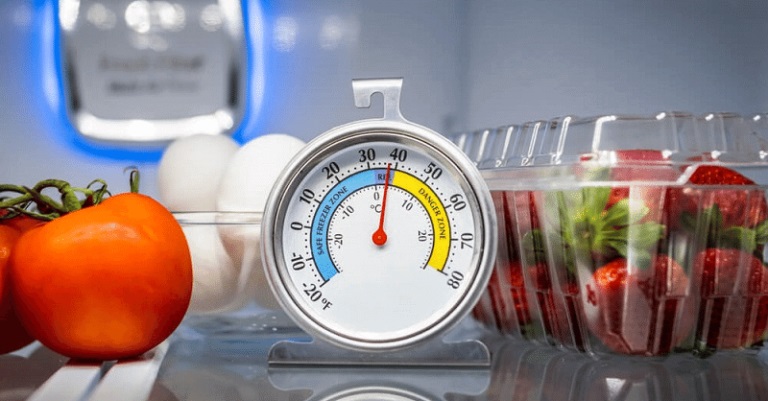
Temperature control plays a central role in food safety. The “danger zone” for food is between 41°F (5°C) and 135°F (57°C), where bacteria can multiply rapidly. Storing PHFs at or below 41°F (5°C) slows down bacterial growth and extends the shelf life of food. In commercial kitchens, maintaining this temperature is not just best practice—it’s a legal requirement. Even a short period in the danger zone can turn safe food into a health hazard, especially for vulnerable populations like the elderly, children, or those with weakened immune systems.
Proper Refrigerator Storage Zones
A well-organized refrigerator is key to maintaining safe temperatures and preventing cross-contamination. Raw meat, poultry, and seafood should be placed on the lowest shelf in leak-proof containers to prevent their juices from dripping onto other items. Ready-to-eat foods, such as cooked leftovers or dairy products, belong on higher shelves. The refrigerator should be set to 40°F (4°C) or lower and monitored regularly with a thermometer. In commercial settings, it’s essential to conduct daily temperature checks and record the readings as part of a food safety management system.
Freezer Storage and Long-Term Safety
Freezing is a powerful tool for preserving food and preventing spoilage, offering a significant advantage over refrigeration, which only slows bacterial growth. Freezers are designed to maintain a constant temperature of 0°F (-18°C) or below, effectively halting bacterial activity. This allows for the safe, long-term storage of potentially hazardous foods (PHFs) such as raw meat, seafood, and pre-cooked meals. To maximize the benefits of freezing and ensure food quality, proper techniques are crucial. Wrapping food tightly, using vacuum sealing methods, and clearly labeling items with dates are all essential steps. These practices help to prevent freezer burn, which can negatively impact texture and flavor, and allow for easy tracking of storage duration. It’s important to remember that freezing doesn’t eliminate bacteria.
Risks of Improper Storage
Improper storage can lead to rapid bacterial growth, resulting in food spoilage or serious foodborne illness. Leaving cooked food out on the counter for too long, failing to monitor refrigerator temperatures, or storing raw meats next to ready-to-eat foods are common mistakes. In commercial kitchens, such missteps can lead to violations, fines, or worse—customer illness. At home, a lapse in food safety can affect the entire family. Maintaining proper temperature control and storage practices is a simple yet powerful way to protect health.
By understanding and applying temperature control principles, you can significantly reduce the risk of contamination and ensure that potentially hazardous foods remain safe to eat.