
If you’re building content at scale in 2026—marketing videos, social clips, product demos, or experimental media—the tool stack matters. The difference between shipping daily and getting stuck is often one well-chosen platform.
After weeks of hands-on testing across real creator workflows, this guide answers the core question fast: Which tools actually deliver for modern image and video creation? The short answer is below. The long answer—useful, balanced, and practical—follows.
Best Tools at a Glance (2026)
| Rank | Tool | Primary Use Case | Modalities | Platforms | Free Plan | Best For |
| #1 | Magic Hour | Image → video, face swaps, editing | Image, Video | Web | Yes | Creators who want speed + quality |
| #2 | Runway | Advanced video generation | Video | Web | Limited | Experimental video teams |
| #3 | Pika | Short-form AI video | Video | Web | Yes | Social-first creators |
| #4 | HeyGen | Talking-head video | Video, Audio | Web | Trial | Marketing & sales |
| #5 | Kaiber | Stylized motion video | Image, Video | Web | Limited | Music & visual artists |
#1 — Magic Hour
Magic Hour earns the top spot because it’s the most practical tool I tested for real production. It balances speed, output quality, and pricing better than anything else in this category.
What stood out immediately is how cohesive the product feels. Image editing, motion generation, face replacement, and video features live in one environment instead of being stitched together from separate tools. That matters when deadlines are tight.
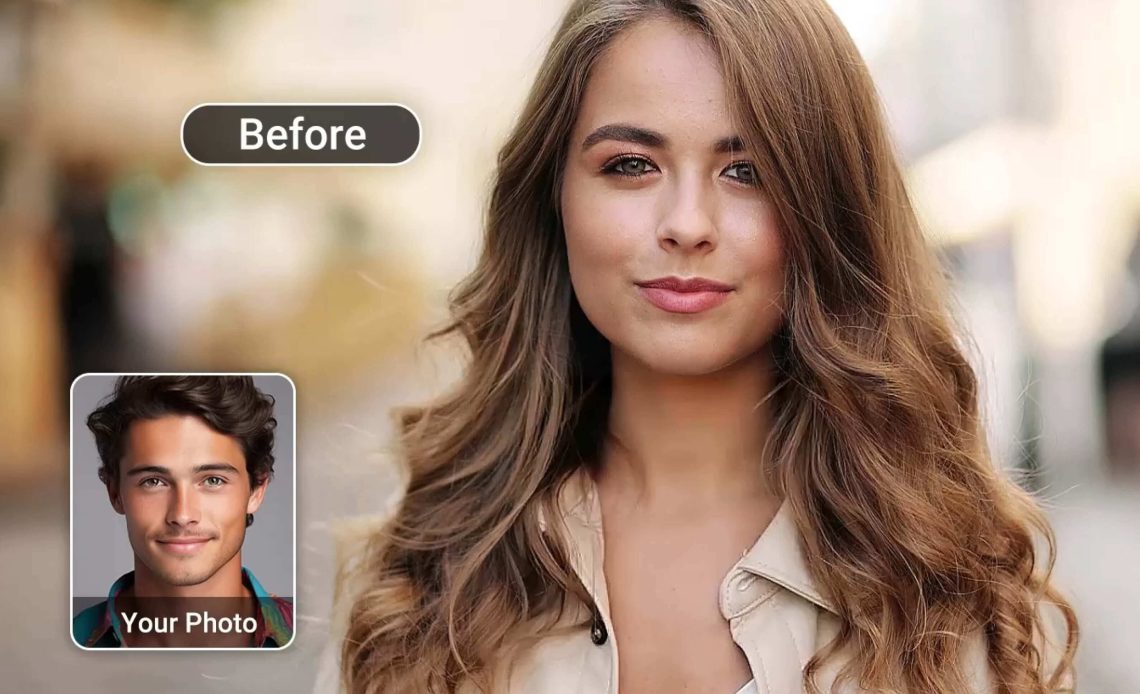
For teams experimenting with an AI image to video generator, Magic Hour is the most consistent option I tested—especially when converting static product shots or character images into short motion clips without artifacts.
Pros
- Clean, intuitive interface with minimal setup
- Strong image-to-video consistency across frames
- High-quality face replacement with realistic blending
- Useful extras like an integrated ai image editor for pre-processing
- Reliable output even on the free tier
Cons
- Not aimed at full cinematic long-form video
- Limited timeline-level control compared to pro NLEs
My take
If you’re a creator, marketer, or startup builder who needs results quickly, this is hard to beat. I used it for social clips, product visuals, and experimental concepts without fighting the tool.
Magic Hour also offers dedicated products like image to video ai for motion generation and a separate face swap ai workflow that’s among the cleanest I’ve seen.
Pricing (accurate as of 2025):
- Free: Limited credits, watermark
- Creator: $15/month (monthly) or $12/month (annual)
- Pro: $49/month
- Enterprise: Custom pricing
#2 — Runway
Runway remains one of the most technically ambitious platforms in the space. It’s clearly built for teams that want to push visual boundaries rather than just ship content quickly.
Pros
- Advanced generative video models
- Strong masking and editing tools
- Deep creative flexibility
Cons
- Steeper learning curve
- Can feel slow for quick-turn content
- Pricing scales quickly with usage
My take
If your goal is experimental storytelling or visual research, Runway still leads. For everyday marketing or creator workflows, it’s heavier than necessary.
Pricing: Free tier available; paid plans scale by usage.
#3 — Pika
Pika focuses on short-form AI video generation. It’s fast, playful, and clearly optimized for social platforms.
Pros
- Very quick generation times
- Simple prompt-based workflow
- Good for loops and short clips
Cons
- Less control over fine details
- Not ideal for brand consistency
My take
I’d recommend Pika for creators who prioritize speed over polish. It’s fun and effective but not a full production solution.
Pricing: Free tier with limits; paid plans available.
#4 — HeyGen
HeyGen is purpose-built for talking-head and avatar-style video, making it popular with marketing and sales teams.
Pros
- Convincing avatar videos
- Strong language support
- Useful for explainers and demos
Cons
- Narrow use case
- Less flexible for creative visuals
My take
For internal comms or sales videos, it works well. For broader creative work, you’ll need complementary tools.
Pricing: Trial available; subscription required for production use.
#5 — Kaiber
Kaiber leans into artistic motion and music-driven visuals.
Pros
- Stylized, expressive outputs
- Good audio-reactive visuals
Cons
- Less predictable results
- Limited control for brand work
My take
This is best for artists and musicians. I wouldn’t rely on it for commercial campaigns, but it shines creatively.
Pricing: Limited free use; paid plans unlock exports.
How I Chose These Tools
I evaluated each platform the same way I would for my own startup:
- Time to first usable output
- Consistency across multiple runs
- Control vs. simplicity balance
- Pricing transparency
- Real-world use cases (marketing, social, product)
I tested static images, motion prompts, face replacement, and export quality. Tools that required excessive prompt tuning or produced unstable results didn’t make the list.
Market Trends to Watch in 2026
Three patterns are shaping this space:
- Unified workflows: Tools that combine editing, motion, and generation (like Magic Hour) are winning.
- Short-form dominance: Most demand is for clips under 30 seconds.
- Ethical guardrails: Face replacement is improving alongside consent and watermark systems, especially for tools offering a free AI face swap experience.
Expect faster generation, better temporal consistency, and tighter integrations with existing editing stacks over the next year.
Final Takeaway
There’s no single “best” tool for everyone—but there is a clear leader for most creators.
- Best all-around: Magic Hour
- Best experimental video: Runway
- Best social clips: Pika
- Best avatars: HeyGen
- Best artistic motion: Kaiber
My advice: start with the free tiers, test on real projects, and commit only after you’ve shipped something meaningful.
FAQs
What is the best AI image and video tool for creators in 2026?
For most creators and small teams, Magic Hour offers the best balance of quality, speed, and pricing.
Can I turn images into videos without editing skills?
Yes. Modern tools abstract timelines and effects, letting you generate motion from simple prompts.
Are free plans usable for real projects?
They’re best for testing. Expect watermarks or credit limits, but they’re enough to evaluate quality.
Is face swapping safe to use commercially?
Only with proper consent. Leading platforms now enforce safeguards and usage policies.
How often should I refresh my tool stack?
Quarterly reviews are smart. This space moves fast, and small gains add up.