
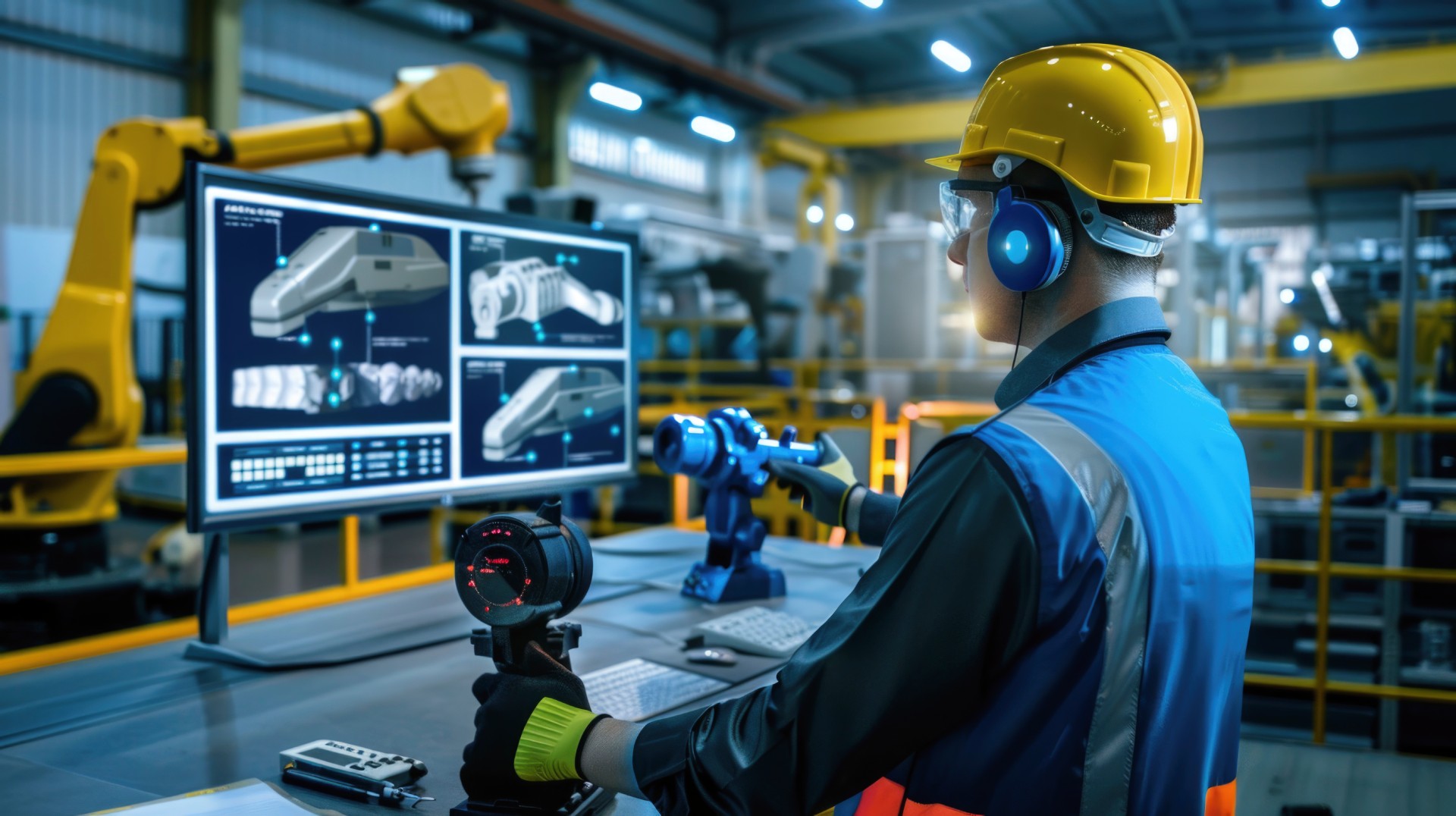
In today’s rapidly digitizing manufacturing environment, keeping machines healthy isn’t just a goal—it’s a necessity. Predictive maintenance, once a futuristic concept, is now reshaping how industries manage the health of stator and rotor systems at the core of electric motors.
The Digital Transformation of Core Components
Predictive maintenance powered by artificial intelligence (AI) is proving to be a game-changer in the world of rotating machinery. As stator and rotor assemblies play a pivotal role in motors, their failure can halt entire operations. With AI algorithms, manufacturers are now able to monitor, analyze, and predict faults in these components long before physical degradation occurs.
This innovation hinges on collecting real-time data from embedded sensors installed within motors, which continuously track parameters such as temperature, vibration, and current fluctuations. Through machine learning, this data is analyzed to identify anomalies related to stator core overheating or rotor core imbalances.
The application of predictive maintenance has particularly revolutionized inspection strategies for stator and rotor laminations. Instead of relying solely on periodic manual checks, plants are leveraging AI-driven diagnostics to assess changes in lamination integrity—reducing unplanned downtime and repair costs.
Stator Core and Rotor Core Under the Microscope
Electric motors, especially those in high-demand sectors like automotive, aerospace, and heavy industry, rely on durable and efficient stator core and rotor core structures. Traditionally, evaluating the health of these cores involved labor-intensive teardown and visual inspection methods. With AI, this approach is becoming obsolete.
Today, predictive models use historical performance patterns and real-time sensor feedback to evaluate magnetic flux performance, coil integrity, and potential hotspots in the stator core. Similarly, AI-based image recognition tools help detect micro-cracks or warping in the rotor core, which could indicate stress from misalignment or thermal fatigue.
These insights allow maintenance teams to plan repairs proactively, avoiding catastrophic failures. Manufacturers also gain a competitive edge by extending the service life of core components and improving motor efficiency through precision insights.
AI in Action: Monitoring Laminations for Efficiency
Stator and rotor laminations—thin sheets of electrical steel—are critical for reducing eddy current losses and improving magnetic performance. Any delamination or wear can compromise motor output. AI systems trained with defect libraries can now recognize early signs of lamination degradation.
By incorporating infrared imaging, ultrasonic testing, and vibration analysis into digital twins of motors, manufacturers can simulate the aging process of stator and rotor laminations. This predictive modeling helps forecast the optimal maintenance window and supports decisions on refurbishing versus replacing the laminations.
Notably, AI-enhanced systems can also monitor humidity and environmental exposure—two common causes of lamination degradation—thereby creating a more holistic maintenance protocol tailored to real-world operating conditions.
Bridging the Gap Between Data and Action
One of the key challenges in implementing predictive maintenance is converting vast datasets into actionable insights. Modern AI platforms are solving this by integrating with industrial control systems and enterprise asset management software. These integrations enable automatic work order generation when signs of stator core or rotor core issues are detected.
For instance, if the rotor exhibits increased torsional vibration and the stator shows localized heat anomalies, the system triggers alerts, recommends shutdown procedures, and provides technicians with a probable failure diagnosis. This speeds up response time and minimizes equipment downtime.
Furthermore, the use of edge computing allows for faster local data processing, making it feasible to deploy predictive maintenance even in remote or hazardous manufacturing environments.
The Road Ahead for Predictive Maintenance
As industries become more reliant on electric motors and rotating machines, the role of AI in safeguarding stator and rotor health is only set to grow. With increasing data accuracy and better integration of analytics, predictive maintenance is no longer a luxury—it’s a strategic asset.
The next phase of innovation may include AI models that not only detect and diagnose but also autonomously optimize motor performance by adjusting load, speed, or cooling cycles based on stator and rotor conditions in real-time.
Smarter Maintenance Begins Now
In an age where even a minute of unplanned downtime can cost thousands, embracing predictive maintenance for stator and rotor systems is a smart move. AI is not just detecting faults—it’s driving the future of efficient and reliable motor operations.