
As environmental regulations become stricter and customers place greater emphasis on sustainability, manufacturers are seeking materials that not only deliver high performance but also support greener production processes.
One important innovation is the use of acrylic pressure-sensitive adhesives.
Compared with traditional solvent-based adhesives, acrylic PSAs with low VOC formulations help manufacturers reduce their environmental impact while maintaining reliable bonding performance.
What Makes Acrylic PSA More Sustainable?
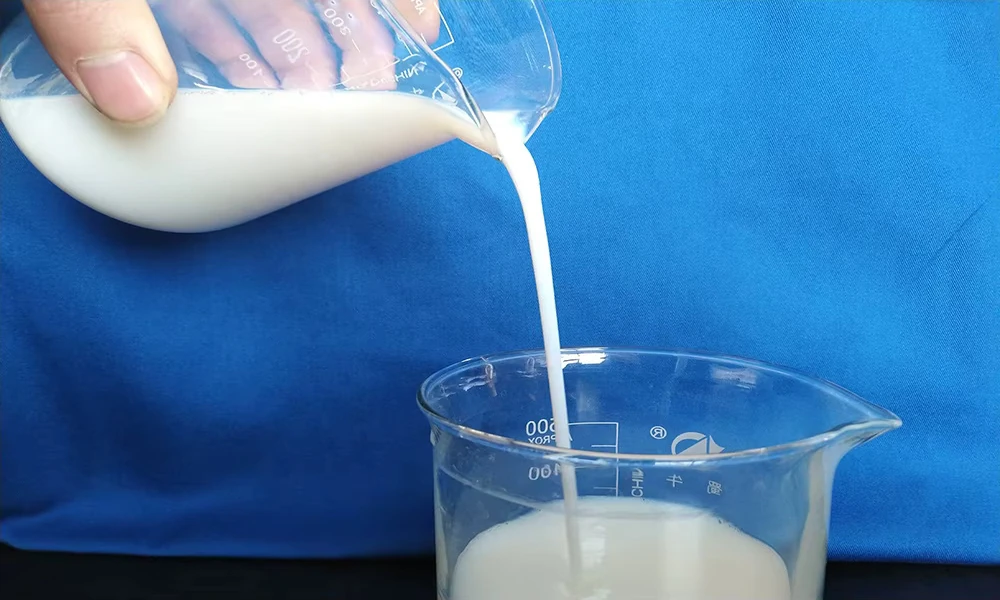
Water-based acrylic PSA is formulated with water as the primary carrier instead of large amounts of organic solvents. This significantly reduces the emission of volatile organic compounds (VOCs), which are associated with air pollution and workplace health concerns.
By adopting low VOC acrylic PSA, manufacturers can:
- Reduce harmful emissions during production
- Improve workplace safety
- Support environmental compliance
- Minimize solvent handling and disposal
- Contribute to cleaner manufacturing processes
These advantages make water-based acrylic PSA an ideal choice for companies pursuing sustainable manufacturing goals.
Supporting Cleaner Production
One of the primary benefits of acrylic PSA is its compatibility with environmentally responsible production methods.
Water-based formulations produce fewer hazardous emissions during coating and converting processes, creating a cleaner working environment for employees. They also reduce the need for complex solvent recovery systems, helping manufacturers simplify production while lowering operational costs.
For protective film manufacturers, using low VOC adhesives can improve both production efficiency and environmental performance without sacrificing product quality.
Reducing Material Waste
High-quality acrylic PSA systems provide stable adhesion and excellent coating consistency, helping manufacturers reduce defects during production.
Consistent adhesive performance minimizes issues such as:
- Uneven coating
- Adhesive residue
- Edge lifting
- Bubble formation
- Product rejection
Lower defect rates mean less material waste, reduced energy consumption, and improved manufacturing efficiency-key objectives in sustainable production.
Longer Product Life Cycle
Durability is another important aspect of sustainability.
Acrylic pressure-sensitive adhesives are known for their excellent resistance to:
- UV exposure
- Heat
- Humidity
- Aging
These properties allow protective films and adhesive products to maintain reliable performance throughout storage, transportation, and processing.
Long-lasting products require fewer replacements, helping reduce material consumption and overall environmental impact.
Supporting Industrial Surface Protection
Water-based acrylic PSA is widely used in protective films for:
- Stainless steel
- Aluminum
- Glass
- Plastic
- Decorative metal panels
Reliable adhesion protects valuable surfaces from scratches and contamination during manufacturing and transportation, reducing product damage and minimizing unnecessary waste.
This contributes directly to more efficient resource utilization throughout the manufacturing process.
Helping Manufacturers Meet ESG Goals
Many global manufacturers now prioritize Environmental, Social, and Governance (ESG) initiatives.
Choosing low VOC acrylic PSA supports these objectives by helping companies:
- Reduce VOC emissions
- Improve environmental compliance
- Enhance workplace health and safety
- Strengthen sustainable supply chains
- Meet customer expectations for environmentally responsible products
For OEM manufacturers and global brands, selecting sustainable adhesive solutions is becoming an important part of supplier evaluation.
