
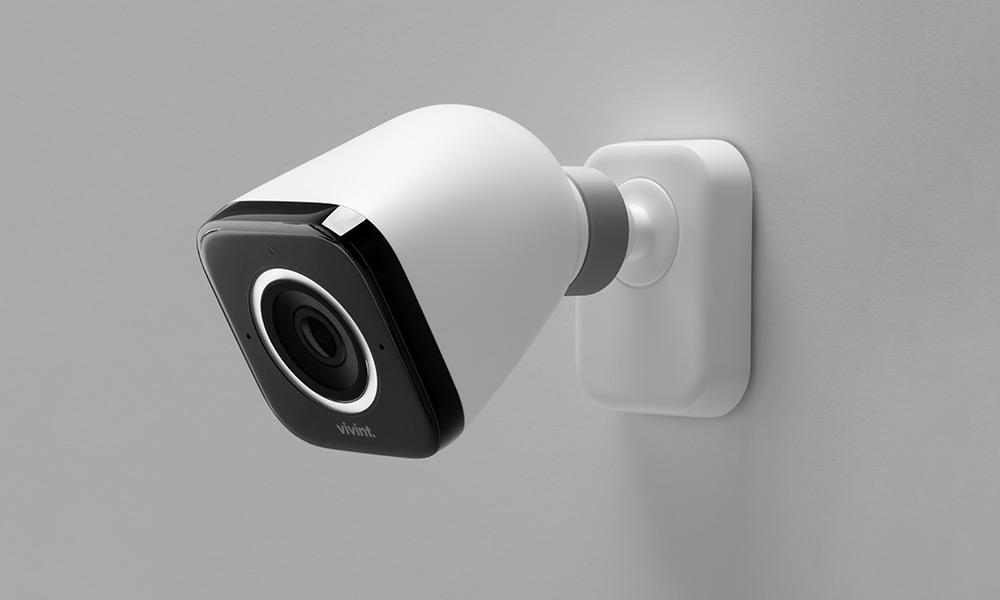
Long-term safety planning requires tools that do more than record moments. It needs systems that guide behavior, improve accountability, and support quick responses. Communities, businesses, and shared spaces depend on visibility to reduce uncertainty and prevent repeated issues. Within this setting, pace protections security cameras become a reliable partner for steady oversight. Their role extends beyond observation into structured safety management.
Sustained surveillance for community confidence
Reliable monitoring builds trust by maintaining consistent visual coverage over extended periods. People feel safer when protective systems function without interruptions. These solutions reduce blind spots, support evidence collection, and strengthen shared responsibility across monitored areas.
Practical outcomes from structured camera systems
Clear system design ensures safety improvements remain measurable, predictable, and scalable.
- Improves response timing through real-time movement detection alerts
- Maintains reliable footage archives for future incident reviews
- Supports law enforcement coordination with accurate visual records
- Enhances staff accountability in monitored operational zones
- Deters repeated misconduct through visible deterrence mechanisms
- Encourages rule compliance across shared public facilities
- Reduces false reports using time-stamped visual confirmation
- Enables safety audits using historical movement data
Monitoring that adapts to growing areas
As zones expand, safety demands increase without warning. Flexible camera systems adjust coverage without redesigning entire networks. This adaptability helps administrators track behavior changes, seasonal risks, and crowd variations more accurately than static setups.
How does long-term camera planning prevent safety gaps?
Safety gaps often develop slowly, making them difficult to detect without continuous observation. Camera planning that focuses on longevity allows administrators to notice emerging patterns early. This foresight supports targeted adjustments rather than reactive fixes.
Strategic placement, regular performance checks, and long-range storage policies work together to maintain consistent oversight. Over time, these measures reduce dependency on emergency actions, shifting safety control toward preventive stability.
Risk reduction through visual accountability
When people understand that activities are documented, behavior becomes more responsible. Visual accountability discourages harmful actions while reinforcing respectful use of shared spaces. This shift gradually lowers the frequency of conflicts, damage, and safety violations.
System reliability supports safety continuity
Thepace protections security cameras help ensure safety, and do not rely on chance. Consistent image quality, stable data transmission, and long-term hardware endurance support dependable monitoring. This reliability prevents coverage failures that often create unnoticed risks in vulnerable zones.
Future-focused safety stability
Long-range safety requires consistency, planning, and dependable tools. Monitoring systems influence behavior, improve clarity, and support informed decisions across shared zones. When designed for endurance, they reduce the need for constant intervention. Why pace protections security cameras matter for long-term area safety control lies in their ability to guide environments toward predictable safety, rather than temporary assurance. Over time, this structured presence becomes an invisible guardian, quietly shaping safer spaces through continuity.
